The Advantages of Dietary Supplements
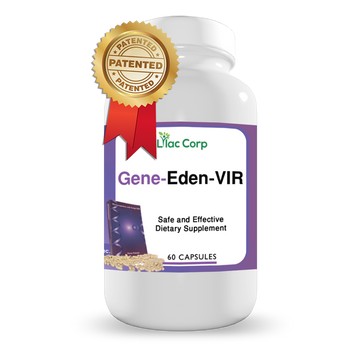
Dietary supplements have become an increasingly popular way to support overall health and wellness. From vitamins and minerals to herbal extracts and protein powders, these products are designed to complement your daily nutrition and help address specific health needs.
What Are Dietary Supplements?
Dietary supplements are products intended to add nutritional value to your diet. They can come in many forms, including capsules, tablets, powders, and liquids. Common types include:
Vitamins (such as Vitamin C, Vitamin D)
Minerals (like calcium, magnesium)
Herbal supplements (such as turmeric or ginseng)
Protein and amino acid supplements
They are not meant to replace a balanced diet but rather to enhance and support it.
1. Fill Nutritional Gaps
Even with a healthy diet, it can be difficult to get all essential nutrients every day. Busy lifestyles, food preferences, or dietary restrictions may lead to deficiencies.
Benefits:
Ensures adequate intake of key vitamins and minerals
Supports overall body function
Helps prevent nutrient deficiencies
For example, people who avoid dairy may benefit from calcium supplements, while those with limited sun exposure may need extra vitamin D.
2. Support Immune Health
Certain supplements are widely known for their role in strengthening the immune system.
Key nutrients include:
Vitamin C
Vitamin D
Zinc
These nutrients help the body defend against illness and maintain resilience, especially during times of stress or seasonal changes.
3. Improve Energy Levels
Low energy can often be linked to nutritional deficiencies. Supplements can help restore balance and boost daily vitality.
Helpful supplements:
B-complex vitamins (support energy metabolism)
Iron (important for oxygen transport in the body)
Magnesium (helps reduce fatigue and muscle weakness)
4. Enhance Physical Performance
For those who are physically active, supplements can support performance and recovery.
Examples:
Protein powders for muscle repair
Creatine for strength and endurance
Electrolytes for hydration
These supplements are commonly used by athletes and fitness enthusiasts to improve results and maintain stamina.
5. Support Mental Health and Focus
Some supplements play a role in brain function and emotional well-being.
Examples:
Omega-3 fatty acids for brain health
Adaptogens like ashwagandha for stress management
Certain vitamins that support cognitive function
They may help improve focus, memory, and mood when used appropriately.
6. Promote Healthy Aging
As we age, the body’s nutritional needs change. Supplements can help maintain health and prevent age-related decline.
Common options:
Calcium and Vitamin D for bone health
Antioxidants to combat oxidative stress
Collagen for skin and joint support
7. Convenient and Accessible
One of the biggest advantages of dietary supplements is convenience. They offer an easy way to support your health without requiring major dietary changes.
Why people choose them:
Simple to incorporate into daily routines
Widely available
Tailored to individual health goals
Important Considerations
While supplements offer many benefits, they should be used responsibly:
Avoid excessive intake (more is not always better)
Choose high-quality, reputable products
Consult a healthcare professional before starting new supplements, especially if you have medical conditions or take medications
Conclusion
Dietary supplements can be a valuable addition to a healthy lifestyle. By helping to fill nutritional gaps, boost energy, support immunity, and enhance overall well-being, they provide a practical solution for modern health challenges.
However, the key to maximizing their benefits lies in balanced use, proper guidance, and a strong foundation of healthy eating habits.